Dreaming about a home with a wraparound porch, old woodwork, or a layout that feels nothing like a new subdivision? In Holly, that kind of character is part of the appeal, but buying an older home also means looking closely at condition, maintenance, and local rules before you fall in love with the details. If you are thinking about buying or caring for an older home in Holly, this guide will help you understand what makes these properties special, what to inspect carefully, and how to plan for ownership with confidence. Let’s dive in.
Why older homes stand out in Holly
Holly attracts buyers who want more than a house that simply looks old. The village has a documented historic downtown, pedestrian-friendly shopping district, and designated historic areas that help create the setting many buyers respond to in the first place. According to the Village of Holly community information, the area combines a true downtown, parks, and community events with a small-town feel that is hard to duplicate.
The village master plan identifies Historic District 1 as the downtown shopping district and nearby residences, while Historic District 2 includes historic homes along Maple Avenue and College Street. Together, those areas include more than 100 properties, which gives Holly a historic core that feels distinct from much of the surrounding housing stock. That helps explain why buyers often notice more architectural variety, more mature streetscapes, and less of a one-size-fits-all feel here.
Holly also has recognized historic sites beyond local interest alone. The Oakland County Historical Commission site list includes both the Holly Union Depot and the Downtown Holly Commercial District, and National Register records note the commercial district’s Classical Revival and Late Victorian architecture. For you as a buyer, that means Holly’s charm is not just marketing language. It is tied to real places, real history, and visible design character.
What “historic charm” means day to day
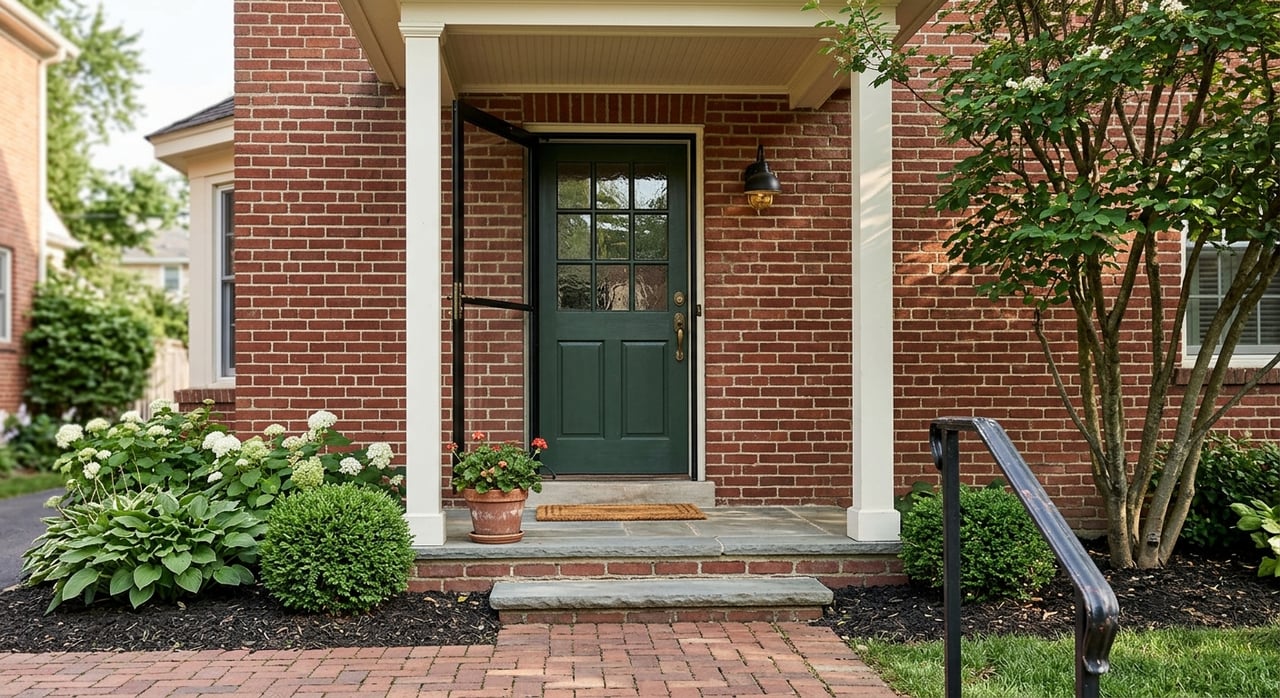
Older homes in Holly can offer details that are harder to find in newer construction. Depending on the property, that may include masonry, porches, wood windows, original trim, or room layouts shaped by another era of home design. These are often the features that create warmth and personality the moment you walk in.
At the same time, character usually comes with tradeoffs. The National Park Service preservation standards emphasize keeping historic character, retaining distinctive features, and repairing original materials when possible rather than replacing them outright. That preservation-first mindset can be rewarding, but it also means you may face more decisions about what to keep, what to restore, and what to update for comfort and function.
It also helps to keep Holly in perspective. A 2024 Holly Township master plan shows that 45.8% of housing in the broader area was built from 2000 to 2019, while only 2.3% was built before 1939. In other words, truly older housing is part of what makes Holly’s historic areas feel different from the broader market.
What to inspect before you buy
If you are serious about buying an older home in Holly, due diligence matters just as much as curb appeal. The best first step is a full professional inspection so you can understand the home’s current condition and likely future needs.
The Michigan State Housing Development Authority advises buyers to hire a professional inspector once they have narrowed their choice to one home. A qualified inspector reviews the structure, construction, physical condition, and major mechanical systems, while also identifying repairs and estimating the useful life of key components.
Focus on the big systems first
In an older home, the highest-priority items are usually not cosmetic. You want clear information on the roof, foundation, masonry, windows, plumbing, electrical, heating and cooling systems, attic condition, and signs of active or past water intrusion.
Because Holly is in Michigan, moisture management deserves extra attention. The National Park Service guidance on moisture in historic buildings notes that water can enter through missing mortar, cracks around windows and doors, and roof-related issues, while winter snow and ice can lead to ice dams and interior damage. That makes the roof, gutters, downspouts, flashing, attic, and masonry joints especially important inspection points.
Check historic district requirements early
Before you make plans for exterior updates, confirm whether the property is in Holly’s historic district. The Village of Holly building and code enforcement page states that properties in the Historical District may have special requirements and restrictions, and the village requires permits for most improvements, repairs, and new construction.
This matters if you are thinking about replacing windows, changing siding, updating a porch, or making other visible exterior changes. Knowing the rules early can help you budget accurately and avoid surprises after closing.
Understand lead and asbestos risks
Many older homes are safe to own and enjoy, but older materials do require care. The EPA’s lead-safe renovation guidance says that in housing built before 1978, painted surfaces affected by renovation should either be tested for lead or presumed to contain lead-based paint, and paid renovation work that disturbs paint must follow lead-safe rules.
The Consumer Product Safety Commission guidance cited in the research also notes that older homes may contain asbestos in materials such as roofing, siding, insulation, vinyl flooring, patching compounds, or pipe coverings. The practical takeaway is simple: do not casually disturb suspect materials. Have them evaluated as needed before renovation work begins.
How to budget for an older Holly home
Buying an older home is often less about one huge renovation and more about planning smartly over time. A good budget should include both immediate repairs and routine maintenance, especially where water management and exterior preservation are concerned.
A helpful rule of thumb is to prioritize the house in this order:
- Keep water out with roof, flashing, gutters, downspouts, and drainage work.
- Protect the envelope by addressing masonry joints, windows, and exterior openings.
- Stabilize major systems such as electrical, plumbing, and HVAC.
- Tackle interior updates and cosmetic improvements after the essentials are covered.
That approach aligns with the National Park Service’s moisture and preservation guidance. It also helps you protect the home’s long-term condition before spending on finishes that may not matter if water issues go unresolved.
Smart maintenance for long-term ownership
Owning an older home in Holly can be deeply rewarding if you think of the house as a system instead of a list of separate projects. Small maintenance items done on time often prevent much bigger repairs later.
The National Park Service moisture guidance recommends keeping roofs weather-tight, repairing flashing, fixing damaged downspouts, cleaning gutters, trimming foliage away from the house, and repointing masonry with properly formulated mortar. It also warns against using waterproof coatings on above-ground masonry walls because they can trap moisture instead of solving the problem.
Repair windows before replacing them
Windows are one of the most common decision points in an older home. If the house has original or older wood windows, preservation guidance generally supports repair first rather than immediate replacement.
The National Park Service window documentation guidance encourages owners to repair and retain existing historic windows when possible, and broader standards say deteriorated historic features should be repaired rather than replaced, with replacement matched to the original if needed. For you, that can mean a more thoughtful process, but it may also preserve both appearance and long-term value.
Potential tax credit benefits
Not every older home qualifies for special financial incentives, but some historic properties may. Michigan’s Historic Preservation Tax Credit form states that eligible taxpayers may receive a credit equal to 25% of qualified expenditures for approved plans after December 31, 2020.
The key detail is that this applies to qualified historic resources, not every older house. If you are considering a major rehab on a historic property, it is worth checking eligibility early so you can understand whether a project may qualify.
Buying with romance and realism
The best older-home purchases in Holly happen when you balance emotion with planning. It is perfectly normal to love the front porch, brickwork, tall windows, or unique layout first. The smart move is to pair that excitement with careful inspection, realistic budgeting, and a clear understanding of local historic-district requirements.
That balance is what turns historic charm into a good ownership experience. When you know what you are buying and how to care for it, an older Holly home can offer a level of personality and place that newer homes often cannot match.
If you are exploring historic homes in Holly or want help weighing the pros and cons of an older property, Tammy Schuh Real Estate offers local, practical guidance to help you move forward with confidence.
FAQs
What makes older homes in Holly different from other homes in the area?
- Holly’s historic appeal is tied to its documented downtown and designated historic districts, which create more architectural variety and a more traditional village setting than much of the broader area.
What should buyers inspect first in an older Holly home?
- Buyers should start with a full professional inspection and pay especially close attention to the roof, gutters, flashing, attic, masonry, windows, structure, and major mechanical systems.
Do historic district rules affect exterior changes in Holly?
- Yes. Properties in Holly’s Historical District may have special requirements and restrictions, and the village requires permits for most improvements, repairs, and new construction.
Are lead paint and asbestos concerns common in older homes?
- They can be a concern in older homes, especially for renovations. Homes built before 1978 may contain lead-based paint, and some older building materials may contain asbestos, so suspect materials should be handled carefully.
Is it better to replace or repair original windows in a historic home?
- Preservation guidance generally recommends repairing and retaining existing historic windows when possible, with replacement matched to the original if replacement becomes necessary.
Can a Holly historic home qualify for tax credits?
- Possibly. Some qualified historic resources may be eligible for Michigan’s Historic Preservation Tax Credit, but not every older home will qualify.